Sunday, 1 September 2024

Sunday 1st September

A surprise flock of 14 Curlew Sandpiper, a moulting adult and 13 juveniles, paused briefly in the estuary on the dropping morning tide, a 15th bird, another juvenile remained in The Bight over both tides. Other wader counts from the estuary included 325 Curlew, 284 Redshank, 266 Dunlin, 214 Ringed Plover, 28 Sanderling, 19 Knot, 10 Bar and a Black-tailed Godwit, 10 Greenshank, nine Turnstone, six Whimbrel, two Common Sandpiper and the Spotted Redshank.

Also in the estuary 35 Sandwich, two Common and two Little Tern, 25 Teal, nine Mediterranean Gull, six Wigeon, the six Eider and an Osprey.

The Wryneck was seen briefly on a private area of the Golf Course, with other migrants including nine Blackcap, three Whitethroat, three Wheatear, and single Yellow Wagtail, Garden Warbler and Spotted Flycatcher.

Elsewhere 14 Common Scoter and an Arctic Skua were offshore, a Treecreeper was in the Entrance Bushes and single Golden Plover, Rook and Grey Wagtail were overhead.

Ringing News: Two of the Sandwich Tern were colour-ringed;  an adult, yellow C45 from Hodbarrow RSPB, Cumbria and a juvenile, yellow flagged J0810 from Poland. The latter is just the fourth Polish Sandwich Tern recovery for the UK, all from Dawlish Warren.

Other Wildlife: A few Small Red-eyed Damselfly were still on the Main Pond with a Golden-ringed Dragonfly also on site. Elsewhere a Harbour Porpoise was offshore and the Grey Squirrel was again on the Golf Course.

Saturday, 31 August 2024

Saturday 31st August

The first nine Wigeon of the autumn were in the estuary with 50 freshly arrived Teal on the morning tide. Also in the estuary corner a Spotted Redshank, 288 Redshank, 13 Greenshank and a Snipe with 192 Curlew, 13 Bar and two Black-tailed Godwit, 11 Mediterranean Gull and seven Whimbrel in the Railway Saltmarsh.

Around The Bight, 956 Oystercatcher, 198 Ringed Plover, 163 Dunlin, 24 Sanderling, 22 Sandwich Tern, 16 Knot, 11 Turnstone, the six Eider, four Pale-bellied Brent Geese, two Shelduck and a juvenile Curlew Sandpiper.

Migrants included four Wheatear, two Whitethroat, two Yellow Wagtail and a Garden Warbler, with the Wryneck making a fleeting appearance on the north side of Greenland Lake, where it was last seen on Thursday evening. 

Elsewhere 11 Common Scoter were offshore, 21 Teal flew SW before dawn, with three Balearic Shearwater and six 1cy Mediterranean Gull SW early evening. 

Other Wildlife: Single Red Admiral, Silver Y and Rush Veneer were also migrants with other moths including Straw Dot, Snout and Elbow-stripe Grass-veneer Agriphila geniculea. 

Elbow-stripe Grass-veneer Agriphila geniculea - Alan Keatley

Also recorded the wolf spider Actosa leopardus on the path by the viewing platform, a Grey Squirrel was on the Golf Course and a Bright Four-spined Legionnaire Chorisops nagatomii in the Entrance Bushes. 

Actosa leopardus - Alan Keatley

Bright Four-spined Legionnaire Chorisops nagatomii - Alan Keatley

Friday, 30 August 2024

Friday 30th August

The first juvenile Little Stint of the autumn was in The Bight on the evening high tide, joining the three juvenile Curlew Sandpiper amongst 203 Dunlin and 196 Ringed Plover. A fourth Curlew Sandpiper, an adult, was on the beach with Sanderling.

Little Stint - Lee Collins

Curlew Sandpiper - Lee Collins

Other counts from the estuary included 260 Redshank, 53 Curlew, 22 Sandwich and six Common Tern, 18 Sanderling, 13 Mediterranean and the first juvenile Common Gull, 10 Greenshank, seven Knot, the six Eider, six Bar-tailed Godwit, four Turnstone and, on Bull Hill, four Pale-bellied Brent Geese.

Early morning 76 Gannet flew SW during a 1 hour seawatch, with seven Common Scoter, five Arctic Skua and a Great Northern Diver also offshore. Late evening in millpond conditions eight Arctic Skua, the Black-throated and seven Great Northern Diver were offshore with eight Balearic and three Manx Shearwater heading W. 

Elsewhere there was no sign of the Wryneck but the year's first Whinchat was in its place with other migrants including 11 Chiffchaff, three Whitethroat, two Yellow Wagtail and a Reed Warbler. 

A juvenile Osprey was over Shutterton Creek before flying S over the visitor centre and out to sea, arriving on the Teign Estuary soon after. Also overhead two Grey Heron high S, two Grey Wagtail, two Rook, two House and a Sand Martin.


Year list addition

167. Whinchat

Other Wildlife: In ideal conditions offshore three Harbour Porpoise, three Bottle-nosed and at least one Common Dolphin. A Wall Brown was the stand out of the few butterflies on the wing. 

Buff-tip - Kevin Rylands

Thursday, 29 August 2024

Thursday 29th August

There was again no sign of the Wryneck this morning although a Garden Warbler was present in the same area. The Wryneck was however refound late afternoon on the golf course side of Greenland Lake, occasionally seen perched up in scrub closely watched by a Willow Warbler and three juvenile Cirl Bunting.

Wryneck - Lee Collins

Four Pale-bellied Brent Geese in the estuary would have been the earliest ever autumn record were it not for the seven last Friday. Also in the estuary 243 Redshank, 165 Dunlin, 128 Ringed Plover, 11 Whimbrel, six Mediterranean Gull, six Bar-tailed Godwit, five Eider, four Knot, four Sanderling and a Turnstone. The Oystercatcher count was interrupted by a large immature Peregrine. 

Pale-bellied Brent Geese - Alan Keatley

Two Balearic and a Manx Shearwater flew SW early evening with six Common Scoter, two Arctic Skua, a Great Northern and the Black-throated Diver also offshore. 

Elsewhere an Osprey was over the car park, a Snipe was overhead and a Kingfisher was at the Main Pond.

Other Wildlife: The highlights were two nationally scarce digger wasps in the Entrance Bushes; Two-banded Hopper Wolf Lestiphorus bicinctus and Broad-banded Hopper Wolf Gorytes laticinctus, the latter new for the Recording Area.

Two-banded Hopper Wolf Lestiphorus bicinctus - Alan Keatley

Broad-banded Hopper Wolf Gorytes laticinctus - Alan Keatley

Bees included Common Lasioglossum calceatum and Green Furrow Bee L. morio and hoverflies noted included Common Eristalis tenax, Plain-faced E. arbustorum and Tapered Dronefly E. pertinax, Hornet Plumehorn Volucella zonaria and the migrants Large Tiger Hoverfly Helophilus trivittatus and Compost Hoverfly Syritta pipiens.

Common Furrow Bee Lasioglossum calceatum - Alan Keatley

Plain-faced Dronefly Eristalis arbustorum - Alan Keatley

Several migrant Silver Y were in the flower meadows and a female Sand Lizard was on the Dune Ridge.

Wednesday, 28 August 2024

Wednesday 28th August

The first Wryneck of the year was the highlight found early morning at the end of the car park in the closed off staff and volunteer's car park. It showed well occasionally until early afternoon but there was no further sign.


Those waiting for a view also found the first Pied Flycatcher of the year, just the 22nd record since July 2004 so rarer than the Wryneck which was around the 31st record in the same time period. Also in the same area six Chiffchaff, a Blackcap and overhead a Peregrine and an Osprey.

Year list additions

165. Wryneck
166. Pied Flycatcher

Other Wildlife: Insect migrants included at least five Rush Veneer and a Red Admiral.

Angle Shades - Kevin Rylands

Tuesday, 27 August 2024

Tuesday 27th August

Three juvenile Curlew Sandpiper were new arrivals in The Bight over high tide amongst 215 Ringed Plover, 203 Dunlin, 33 Sandwich Tern, 14 Sanderling, 13 Knot, all juveniles, nine Turnstone and six Bar-tailed Godwit. 

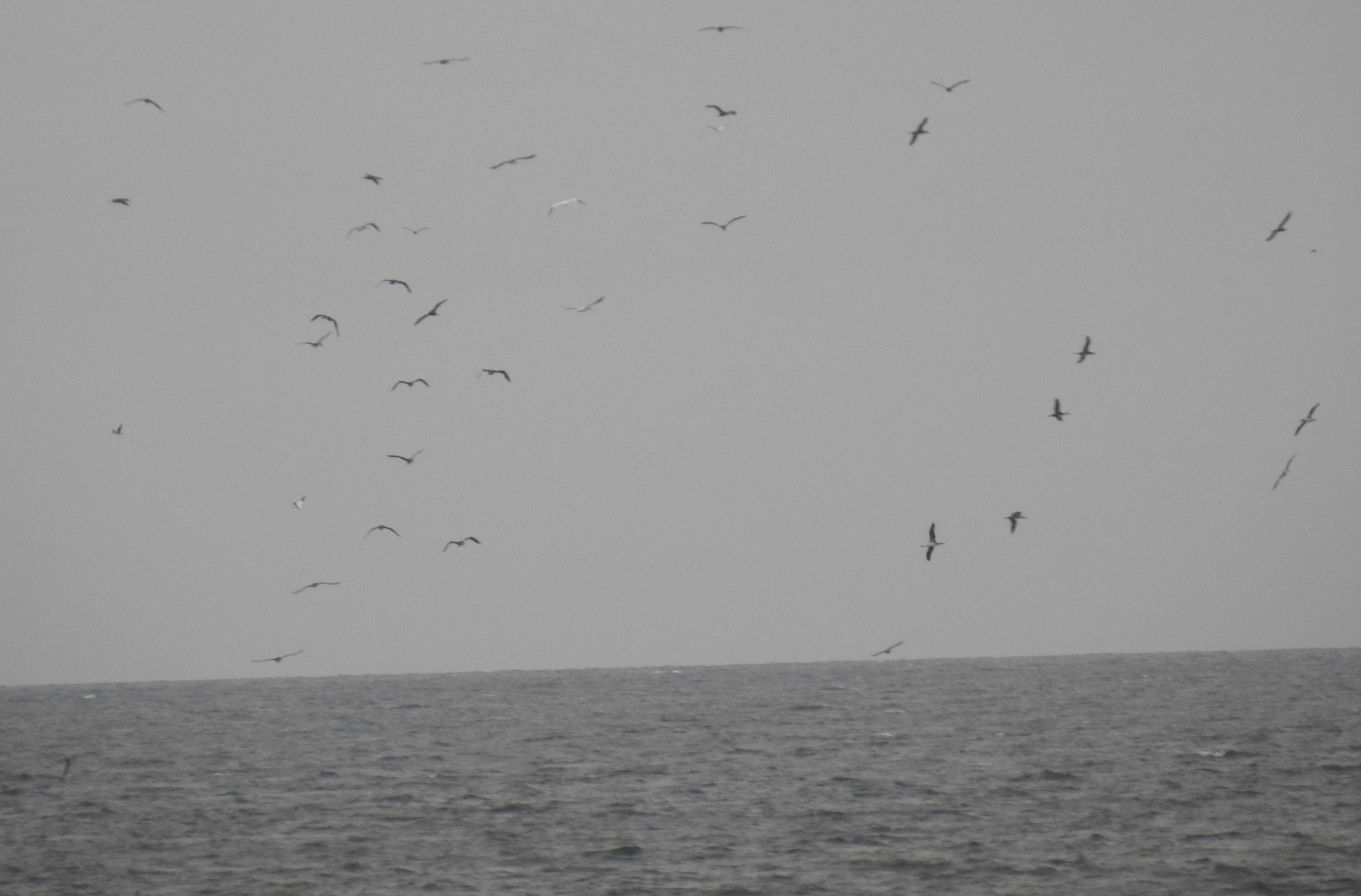
Elsewhere the Black-throated Diver and a Great Skua were offshore and a single flock of at least 260 Gannet was resting and feeding in bay, before moving SW towards Dawlish.

Gannet - Alan Keatley

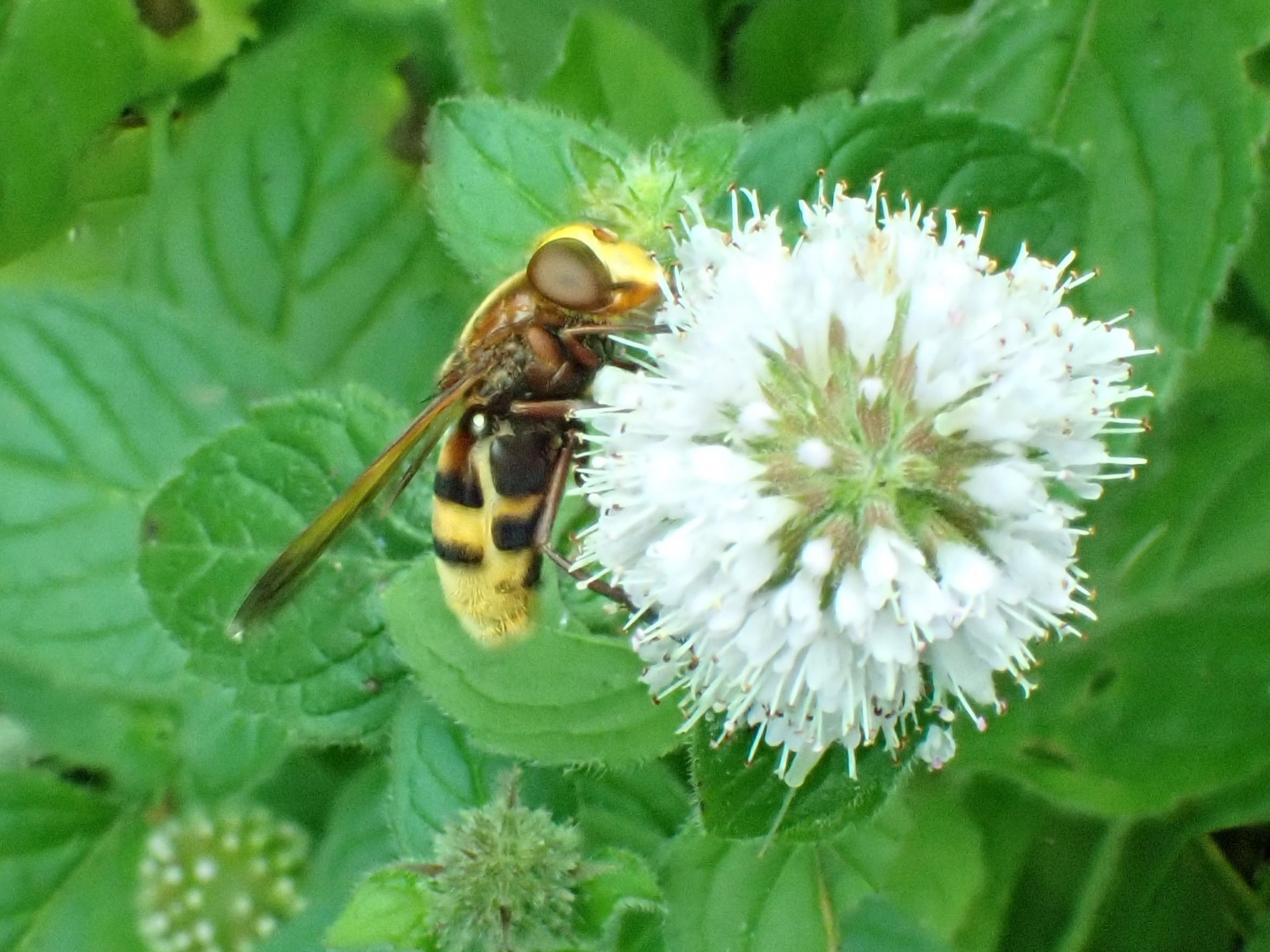
Other Wildlife: A welcome variety of invertebrates were active today, including two Hornet Plumehorn Volucella zonaria, scarce this year, nectaring on Water Mint in Dead Dolphin Wood, Common Ectemnius E.continuus found nesting in a driftwood pine log on edge of The Bight and at least ten Wasp Spider and Garden Cross Spider Araneus diadematus waiting patiently on their webs in Greenland Lake.

Hornet Plumehorn Volucella zonaria - Alan Keatley

Common Ectemnius E.continuus - Alan Keatley

Also on the wing Elbow-striped Grass-veneer Agriphila geniculea, the sawfly Athalia bicolor, the tachinid fly Dinera grisescans and Field Digger Wasp Mellinus arvensis.

Field Digger Wasp Mellinus arvensis - Alan Keatley

Athalia bicolor - Alan Keatley

Monday, 26 August 2024

Monday 26th August

Still some movement offshore, although likely birds feeding in, rather than passing through, the bay. A 1hr 45min seawatch early morning saw 307 Gannet, 150 Kittiwake, six Balearic Shearwater and a juvenile Yellow-legged Gull head SW. The dawn movement of terns leaving their estuary roost tallied 64 Sandwich, 15 Common and the juvenile Little Tern, with two Arctic Skua, two Common Scoter and the Black-throated Diver also offshore.

Little change in the estuary where high tide counts included; 183 Ringed Plover, 168 Dunlin, 158 Redshank, 69 Sandwich Tern, just 43 Curlew, 17 Sanderling, 12 Mediterranean Gull, 12 Greenshank, 11 Whimbrel, eight Knot, four Bar-tailed Godwit, the six Eider and two Turnstone.

Elsewhere the first Grey Wagtail of the autumn was briefly by the seawall, with single White and Yellow Wagtail in the Bight. Other migrants included seven Whitethroat and single Lesser Whitethroat, Wheatear and Willow Warbler.

Other Wildlife: Two new bugs for the Recording Area were found around the Cuckoo's Nest, the widespread ground bug Megalonotus chiragra and, on White Poplar, the leafhopper Viridicerus ustulatus, possibly the first Devon record. 

Viridicerus ustulatus - Kevin Rylands

More late news of another new Warren species from Saturday, with a larva of the sawfly Tenthredo amoena being found on the foodplant Perforate St John's-wort.


Tenthredo amoena - both Kevin Rylands

Sunday, 25 August 2024

Sunday 25th August

Offshore a 1hr early morning seawatch saw 80 Gannet and 12 Balearic Shearwater, head SW with a similar number of distant shearwater sp. A total of 54 Common and 41 Sandwich Tern flew S out of estuary at dawn, with at least 1400 Herring Gull on Pole Sands as the tide dropped - feasting on Exmouth's sewage. 

Exmouth refused to share it's Osprey though, a distant bird again visible over Mudbank late morning. Also in the estuary a juvenile Little Tern, with 73 Sandwich and five Common Tern, presumably returning birds. Other counts included 246 Redshank, 180 Ringed Plover, 143 Dunlin, 12 Greenshank, nine Bar-tailed Godwit and Mediterranean Gull, six Eider, three Knot, two Sanderling, two Turnstone and a Kingfisher.

Elsewhere three Wheatear and two Yellow Wagtail were on the Golf Course fairways, a Willow Warbler was in Dead Dolphin Wood and three Sand Martin flew through.

Ringing News: Four colour-ringed Sandwich Tern were present over high tide, a juvenile from Holland and adults from Northern Ireland, Scotland and Wales. A metal ring was also read on a fifth bird, this individual was ringed as a chick on Inner Farne, Northumberland on 12/07/2013 and was here during Aug 2016, 2018 & 2019 but not subsequently. Since then it has survived Avian Flu, probably flown over 10,000 miles and lost its colour-ring!

Other Wildlife: Late news from Saturday of two other new species for the Recording Area audit, Crystal Jellyfish Aequorea vitrina, a species being more frequent in warming seas, and Holly Aphid Aphis ilicis.

Crystal Jellyfish Aequorea vitrina - Alan Keatley

Saturday, 24 August 2024

Saturday 24th August

In contrast to recent days, there was little moving offshore during a wet start to the day, with 61 Kittiwake, 20 Gannet, seven Common Scoter, four Manx Shearwater and a skua sp, probably Arctic.

The Osprey was again in the estuary, although outside the Recording Area at Exmouth, with counts from the high tide including 216 Redshank, 187 Ringed Plover, 170 Dunlin, 58 Sandwich, 12 Common and a juvenile Little Tern, 17 Mediterranean Gull, 16 Sanderling, 13 Whimbrel, nine Greenshank, the six Eider, four Turnstone and a Knot.

Elsewhere two Swift were overhead, other migrants were limited to single Wheatear and Willow Warbler, with a Treecreeper in the Entrance Bushes and a Kingfisher was at the Main Pond. 

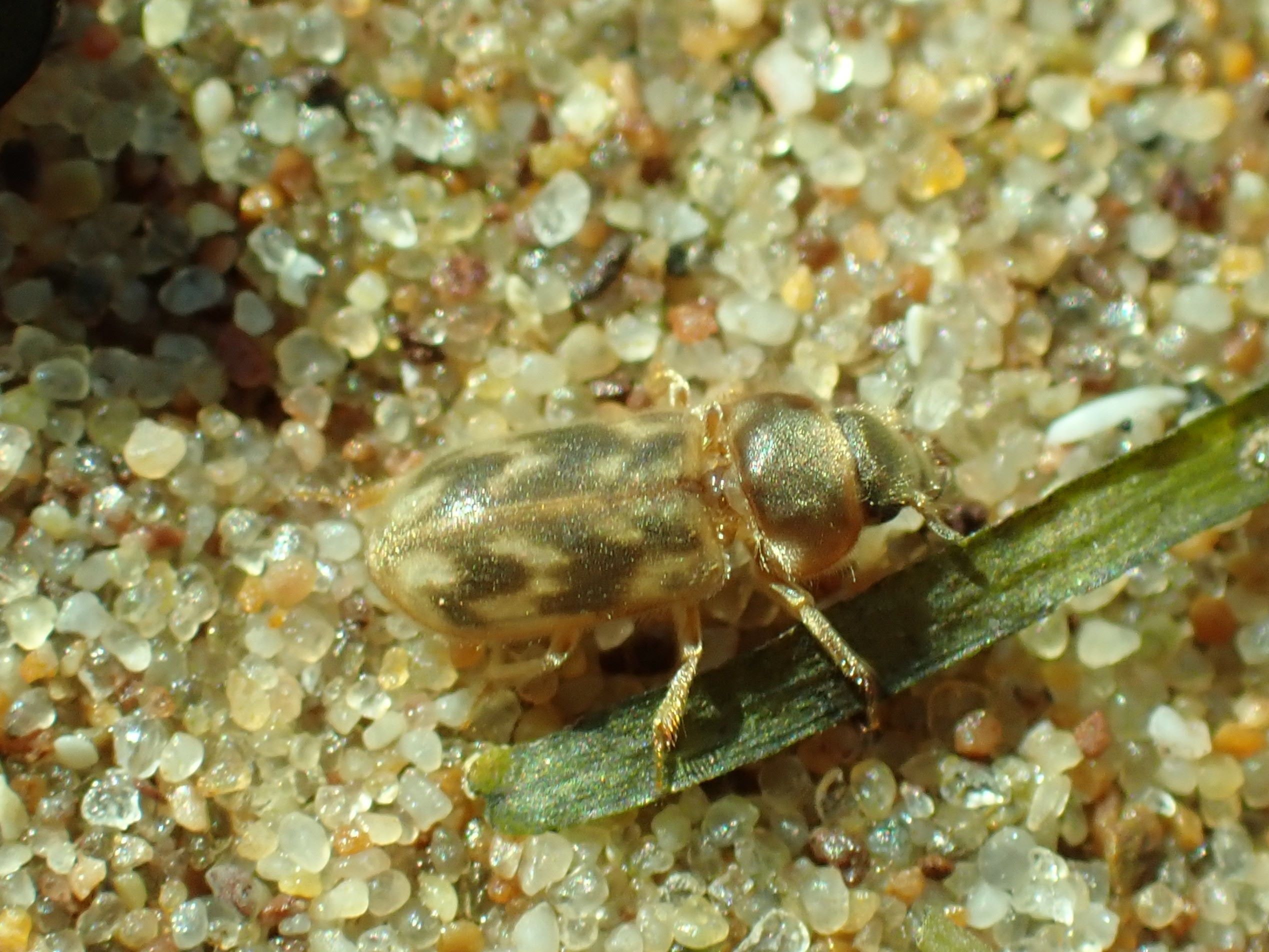
Other Wildlife: A new beetle for the Recording Area and South Devon (VC3) was discovered in damp seaweed and eelgrass on the strandline, the nationally scarce mud-loving beetle, Heterocerus fossor, amongst a few of the similar rare rove beetle Bledius spectabilis.


Heterocerus fossor - both Alan Keatley

Bledius spectabilis - Alan Keatley

Four Migrant Hawker were the first emergences of the year, also adding to the year list were a couple of arachnids; a Gorse Orb Weaver Agalenatea redii and the harvestman Dicranocephalus ramosus, plus the druid fly Clusiodes albimanus and Twin-spot Centurion Sargus bipunctatus.

Clusiodes albimanus - Alan Keatley

Gorse Orb Weaver Agalenatea redii - Alan Keatley

Elsewhere a Harbour Porpoise was offshore.

Friday, 23 August 2024

Friday 23rd August

Another day with two notable seawatches; early morning, two large shearwater sp flew SW at 07.00 & 07.07, one too distant, the other dividing opinion, Also passing SW over the course of 1hr 30mins, 169 Gannet, 110 Kittiwake, 51 Common, 38 Sandwich and five (four juvs) Little Tern, 27 Balearic, six Manx and three Sooty Shearwater, 20+ Mediterranean Gull, three Arctic and a Great Skua and single Storm Petrel, Black-throated and Great Northern Diver.

A 1hr 10mins watch late evening was quieter with no skuas or shearwaters, but 78 Lesser Black-backed Gull, 32 Storm Petrel and an Arctic Tern flew SW. The petrel count was the highest since Aug 2017. 

Interest was not however confined to the sea, with seven Pale-bellied Brent Geese unexpected on Bull Hill on the evening tide. These are the earliest ever autumn arrivals, a week earlier than the only other August records, seven on 30/08/2008 and 28 on 30/08/2012. 

Also in the estuary a juvenile Yellow-legged Gull was in Shutterton Creek and Tuesday's Osprey put in a reappearance. Counts included 237 Redshank, 205 Dunlin, including 157 juvs, 167 Ringed Plover, 18 Whimbrel, 11 Sanderling, nine Greenshank, eight Shelduck, six Turnstone, the six Eider, four Bar-tailed Godwit, two Teal and a Knot. 

Elsewhere two Willow Warbler were on site and a Kingfisher was on the Main Pond.